
Table of Contents
- What Makes Viral TikTok Toys a Safety Concern
- Real Hazards: Choking, Burns, and Chemical Exposure
- Understanding Toy Choking Hazard Age Labels
- How to Identify Counterfeit Toys and Protect Your Family
- Creating a Toy Safety Checklist for Parents
- Checking CPSC Toy Recalls and Staying Informed
- Safe Alternatives and Smart Shopping Practices
- What to Do If Your Child Is Exposed or Injured
- Frequently Asked Questions
Last Updated: October 21, 2026
What Makes Viral TikTok Toys a Safety Concern
Viral toys trend fast on social media. Kids see them, want them, and parents buy them. But are viral TikTok toys actually safe?
Not all trending toys meet safety standards.
Viral TikTok toys gain popularity because they're fun, colorful, and shareable. Squishies, fidgets, and slime toys dominate the trends, but popularity doesn't equal safety.
Choking risks, chemical exposure, burns, and counterfeit versions flooding the market all pose genuine threats. Understanding these risks helps you make safer choices for your family.
Real Hazards: Choking, Burns, and Chemical Exposure
Viral toys carry real risks. The most common dangers fall into three categories: choking, burns, and chemical exposure. Each poses a different threat depending on your child's age and how they use the toy.
Choking and Ingestion Risks
Small parts inside toys can become choking hazards. Squishies filled with beads, slime with small decorations, and fidgets with removable pieces all present risks. Children under three are most vulnerable.
The Consumer Product Safety Commission (CPSC) sets strict rules for toys marketed to young children (Toy Safety Business Guidance). Toys for kids under three cannot have small parts that fit inside a choking tube (Small Parts Ban and Choking Hazard Labeling).
Watch for:
- Toys with loose beads or small fillings
- Slime toys with decorative pieces that can separate
- Fidgets with removable components
- Food-shaped toys that look edible but aren't
If a toy breaks easily or has loose parts, remove it immediately. Test it yourself before giving it to your child.
Burns and Heat-Related Injuries
Heat-related injuries from viral toys are growing. Some challenges involve holding toys near heat sources or in hot cars. Others involve toys that get too hot during use.
Color-changing squishies that react to UV light or heat are popular.

Hot car exposure is another risk. Leaving a toy in a parked car on a warm day can cause internal pressure to build, and some toys have ruptured or exploded in heat.
Watch for:
- Toys marketed as heat-reactive or UV-changing
- Challenges that involve heat exposure
- Toys left in hot cars or direct sunlight for long periods
- Signs of melting, warping, or damage from heat
Supervise play, keep toys out of extreme heat, and never participate in viral challenges that involve heating toys.
Chemical Exposure and Toxic Substances
Chemical exposure is a serious concern. Some toys contain harmful substances like benzene, heavy metals, or toxic dyes. Cheap imports and counterfeit products are highest risk.
Slime toys are frequent offenders.
Squishy toys made from low-grade TPR (thermoplastic rubber) or PVC can off-gas harmful chemicals. If a toy smells strongly of chemicals, don't let your child use it.
Watch for:
- Strong chemical odors from new toys
- Toys that stain skin or leave residue
- Slime or putty that irritates skin
- Toys from unknown manufacturers or sellers
- Counterfeit versions of popular brands
Buy from trusted sources. Grove Flower & Toys hand-picks toys for safety and quality, verifying that our suppliers meet safety standards.
Understanding Toy Choking Hazard Age Labels
Age labels on toys aren't just suggestions. They're based on safety testing and hazard assessment. Understanding them helps you pick the right toy for your child's age.
The CPSC requires age grading on toys.
Age labels account for:
- Developmental stage and choking risk
- Ability to follow instructions
- Strength and coordination level
- Cognitive understanding of warnings
A toy marked "5+" is not safe for a three-year-old, even if it looks simple; it may have small parts safe for older children but dangerous for younger ones.
Always check the age label before buying. If your child is younger than the recommended age, choose a different toy.
How to Identify Counterfeit Toys and Protect Your Family
Counterfeit toys flood online marketplaces. They look similar to real products but lack safety testing and quality control. Spotting fakes protects your family from serious hazards.
Real toys come with proper packaging, clear labels, and safety warnings. Counterfeit toys often have:
- Misspelled brand names or logos
- Poor-quality printing on packaging
- Missing or unclear safety information
- Unusually low prices (significantly cheaper than retail)
- Vague seller information or overseas shipping delays
Buy from reputable sellers. Authorized retailers, official brand websites, and trusted toy shops are safer choices than online marketplaces, so verify the seller's credentials before purchasing.
Check the product listing carefully:
- Look for seller reviews and ratings
- Read customer feedback about authenticity
- Compare the product image to official brand photos
- Verify the price matches other authorized retailers
- Check the return policy
When your toy arrives, inspect it immediately and compare it to photos on the official brand website. If something looks off, return it.
At Grove Flower & Toys, we source directly from verified manufacturers.
Creating a Toy Safety Checklist for Parents
Before your child plays with a new toy, run through a safety check. This simple five-minute process catches most hazards.
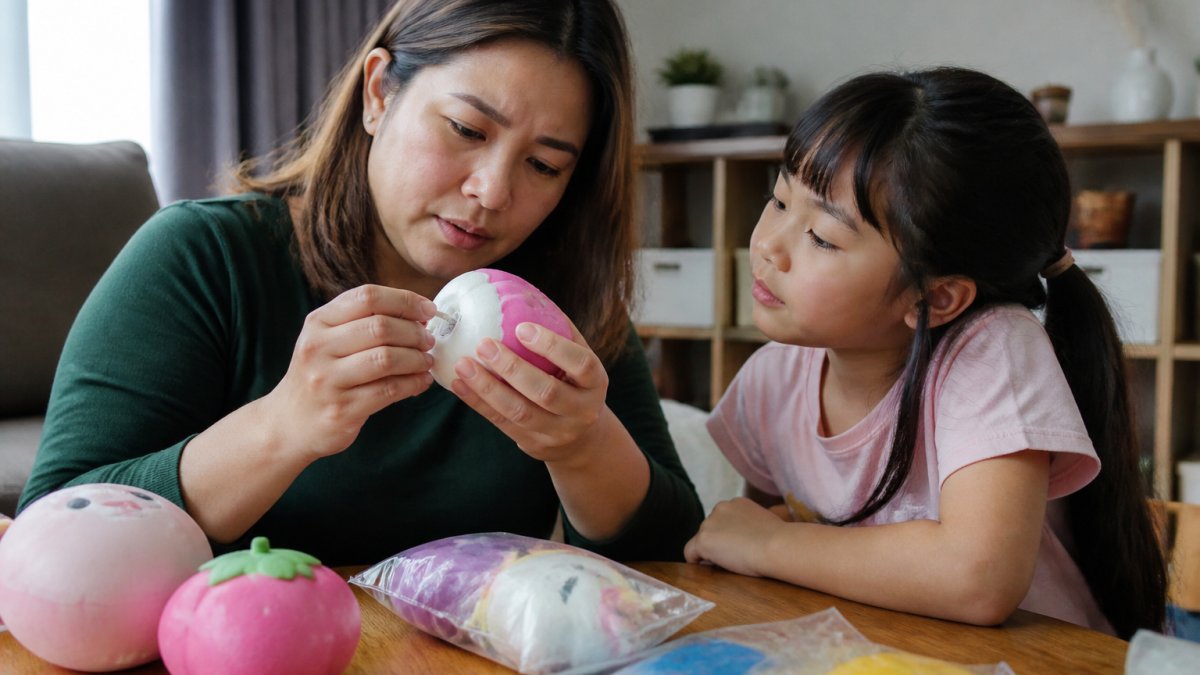
Step 1: Inspect the Package
- Check the age label and manufacturer name
- Read all safety warnings and instructions
- Look for CPSC compliance statements
- Verify the toy is not on a recall list
Step 2: Examine the Toy Itself
- Look for loose parts, tears, or damage
- Check seams and closures for gaps
- Squeeze the toy to see if filling leaks
- Smell for strong chemical odors
- Check for sharp edges or points
Step 3: Test for Durability
- Tug on attached parts gently
- Squeeze firmly to check for ruptures
- Bend flexible parts to check for cracking
- Verify small decorations are firmly attached
Step 4: Match to Your Child's Age
- Confirm the age label matches your child
- Consider your child's habits (do they mouth toys?)
- Think about supervision level available
- Assess your child's ability to follow warnings
Step 5: Monitor During Play
- Watch for signs of damage during use
- Check the toy regularly for wear
- Remove toys that break or show hazards
- Stop play if your child shows discomfort
| Safety Check | What to Look For | Action if Failed |
|---|---|---|
| Age label | Matches child's age | Do not use |
| Loose parts | Small pieces that move easily | Remove toy |
| Chemical smell | Strong odor from toy | Air out or return |
| Damage | Tears, cracks, or broken seams | Do not use |
| Choking risk | Small parts under 1.25 inches | Remove or return |
Checking CPSC Toy Recalls and Staying Informed
The CPSC maintains a public database of toy recalls (Recalls & Product Safety Warnings). Check it before buying and periodically after purchase.
Visit the CPSC website to search for recalls by toy name, brand, or product type.
Sign up for CPSC recall alerts. You can receive email notifications when toys you own are recalled.
Check recalls:
- Before purchasing a toy
- After buying a trending toy
- Periodically for toys your child uses regularly
- When you hear about toy safety issues on social media
The CPSC also tracks toy safety trends. Their reports identify common hazards and emerging risks.
Social media often spreads toy safety concerns faster than official channels. If you see warnings about a toy online, verify them through official sources.
Safe Alternatives and Smart Shopping Practices
Choosing safe toys doesn't mean sacrificing fun. Many trending toys have safer alternatives.
Look for toys from established brands with strong safety records. These companies invest in testing and quality control.
Consider these alternatives:
- Fidget toys from trusted brands instead of unknown sellers
- Slime from reputable manufacturers with clear ingredient lists
- Squishies that are solid or filled with safe materials
- Toys with simple designs and fewer small parts
- Products tested by third-party safety labs
Buy from trusted retailers. Authorized sellers have relationships with manufacturers and can verify authenticity.
At Grove Flower & Toys, we curate every item for safety and quality.
Our NeeDoh Nice Cube ($25.99) is a perfect example.

Smart shopping practices include:
- Reading customer reviews before buying
- Checking the return policy
- Verifying seller credentials
- Comparing prices across authorized retailers
- Asking other parents about their experiences
Take time to research. A few minutes of checking can prevent serious harm. Your child's safety is worth the effort.
What to Do If Your Child Is Exposed or Injured
If your child is exposed to a hazardous toy or gets injured, act quickly. Know the steps to take and when to seek help.
If Your Child Ingests Something:
- Call Poison Control immediately at 1-800-222-1222
- Have the toy or packaging available to describe what was swallowed
- Follow their instructions carefully
- Seek medical attention if directed
If Your Child Has a Choking Incident:
- Call 911 if your child cannot breathe
- Perform the Heimlich maneuver if trained
- Stay calm and follow emergency responder instructions
- Seek medical evaluation even if the object is dislodged
If Your Child Has a Chemical Reaction:
- Rinse affected skin with water immediately
- Remove contaminated clothing
- Call Poison Control or seek medical attention
- Have the toy and packaging available for medical staff
If Your Child Is Burned:
- Cool the burn with running water for 10-20 minutes
- Do not apply ice directly
- Cover with a clean cloth
- Seek medical attention for serious burns
After Any Incident:
- Report the toy to the CPSC at SaferProducts.gov
- Document what happened with photos and details
- Keep the toy and packaging as evidence
- Report to the retailer where you bought it
- Consider leaving a review warning other parents
Reporting hazardous toys helps the CPSC track problems and issue recalls. Your report could prevent injury to other children.
Document everything. Take photos of the toy, packaging, and any injuries. Write down the date, time, and what happened. This information helps medical professionals and safety investigators.
Viral TikTok toys can be safe, but safety requires attention. Know the hazards, check labels, inspect toys, and verify recalls.
At Grove Flower & Toys, we believe trending toys should never mean risky toys. Join our community of parents who shop smart and keep their kids safe. Join for Deals & Drops!
Frequently Asked Questions
Are viral TikTok toys actually safe for children?
Viral TikTok toys carry real safety risks that vary by product type. Common hazards include choking (especially for children under 3), chemical exposure from low-quality materials, burns from toy challenges, and rupture risks. Safety depends on the specific toy, its age rating, whether it's counterfeit, and how a child uses it. Always check the Consumer Product Safety Commission (CPSC) recall database, verify age labels, and inspect toys for damage or strong chemical odors before giving them to children.
What chemicals are found in squishy toys and how dangerous are they?
Some squishy toys, particularly counterfeit or low-cost imports, may contain chemicals like benzene or other volatile organic compounds (VOCs). Exposure risk depends on the toy's material quality, how often a child uses it, and whether they mouth it. Legitimate manufacturers test for harmful substances, but cheap counterfeits often skip safety testing. If a toy has a strong chemical smell that doesn't fade, leaks liquid, or feels unusually sticky, don't give it to children. Reputable brands like those curated by Grove Flower & Toys prioritize safety compliance.
How can I tell if a trending toy is counterfeit?
Counterfeit toys often have poor packaging quality, misspelled brand names, blurry images, or prices far below retail. Check the seller's legitimacy, buy from established retailers rather than unknown marketplaces. Examine the toy itself: uneven seams, rough edges, discolored patches, or a chemical smell are red flags. Authentic toys come with clear labeling, safety certifications, and consistent quality. If something feels off about the product or seller, it's safer to purchase from verified retailers who vet their inventory.
What should parents do if their child is exposed to a recalled toy or shows signs of injury?
First, stop your child from using the toy immediately. If they've ingested parts or show choking symptoms, call Poison Control (1-800-222-1222) or emergency services. For chemical exposure, remove the toy and wash hands and mouth with soap and water. Document any symptoms like rashes, breathing difficulty, or unusual behavior and contact your pediatrician. Report the incident to the CPSC through their SaferProducts portal. Keep the toy and its packaging for investigation, and check the CPSC recall database to see if the product has an active recall.
0 comments